Russian Math Tutors - The Facts
Some Known Details About Russian Math Tutors
Table of ContentsGetting My Russian Math Tutors To WorkAn Unbiased View of Russian Math Tutors6 Simple Techniques For Russian Math TutorsRussian Math Tutors Things To Know Before You Get This
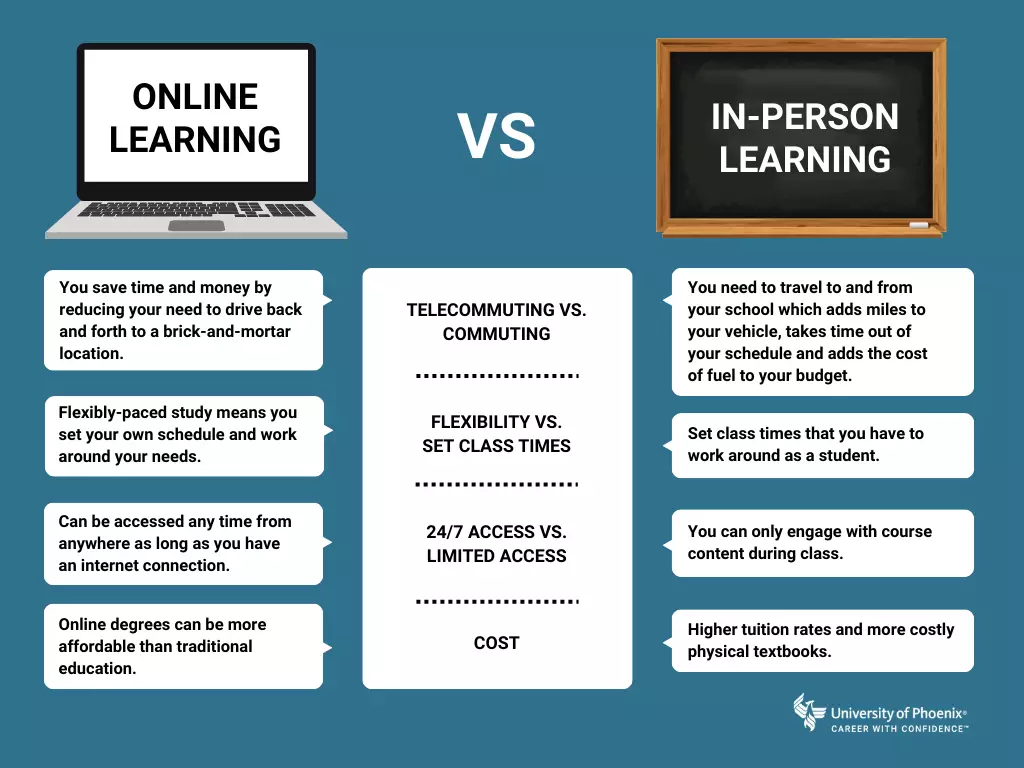
Since you're the master of your very own routine, students of virtual knowing are better prepared to proceed functioning while going after academic credentials. And for trainees that aren't employed, academic job can serve to explain any type of gap or gaps in a resume. The advantages of virtual understanding can be plainly seen on a return to.Considering that the coursework is on the internet, programs can be finished anywhere there is a net link - https://freeseolink.org/Russian-Math-Tutors_391111.html. While the advantages of on-line knowing include the adaptability to complete jobs at once that is most hassle-free to the student, the student still needs to handle their time wisely to guarantee they complete their projects by the target dates established by the professor
In a standard class setting, pupils may require to wait a week or 2 to obtain comments on their jobs. By getting responses earlier, students can find out faster and make changes for future tasks.
Examine This Report on Russian Math Tutors
Students can utilize lecture video clips as an extra tool to aid with competing jobs. In order to decide if an on the internet level is appropriate for you, it would be best to examine the benefits and drawbacks of on the internet discovering. Pupils who don't mind establishing their very own timetable for discovering and completing tasks and are all right working together with their classmates from another location, will likely succeed in an on-line program.
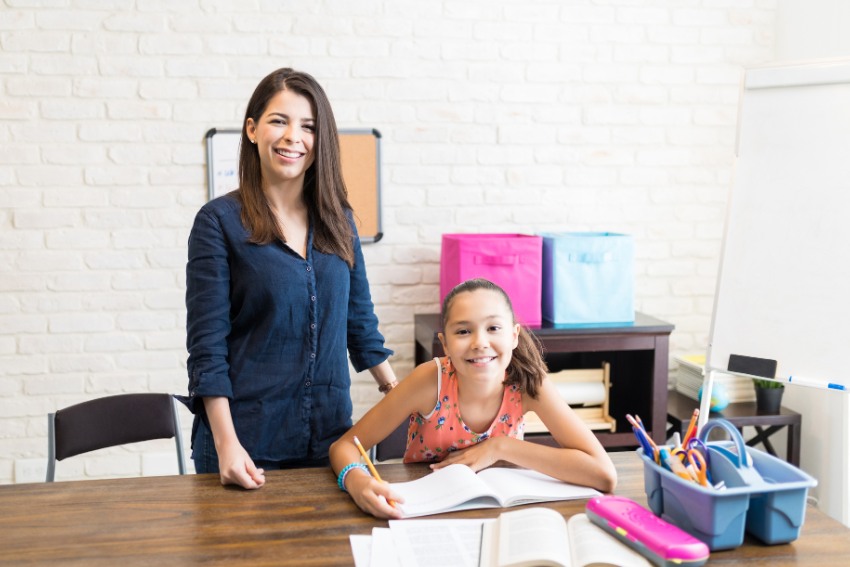
As Park et al. (2016 ) (AMC competition preparation) illustrate, most trainees in the united state take part in organized, academically oriented discovering tasks "past the colleges wall surfaces" to supplement their official education and learning. Stevenson & Baker, (1992 ) created the term "darkness education" when they described such "instructional tasks that take place outside formal schooling and are created to enhance the student's official college occupation" (1639 )
In the years given that its beginning, the occurrence of darkness education and learning has actually proliferated worldwide (Aurini, 2004, Baker et al., 2001, Bray, 2021, Byun et al., 2018, Entrich, 2020), including in the united state (Park et al., 2016). Given the significance of the SAT/ACT for university admission in the united state (although with the activity towards test-optional plans, this may end up being less so), shadow education and learning frequently takes the kind of examination prep work in knowing facilities, personal tutoring, and also after-school classes provided in public schools (Buchmann et al., 2010aaa, Byun and Park, 2012, Park et al., 2016). Shadow education likewise has broadened in the U.S. in recent times through exclusive understanding facilities, such as Kumon and Sylvan Discovering Center (Aurini, 2004). Indeed, between 1997 and 2016, the number of private discovering facilities in the U.S. grew from roughly 3000 to almost 10,000 (Kim, Hassel, & Gilliam, 2022).
Our Russian Math Tutors Statements
Using data from the U (Russian Math methodology tutoring).S., Buchmann et al. (2010a) locate that trainees from higher-income families are extra likely to take a private program and a lot more likely to hire a personal tutor than their lower-income peers.
As an example, parental education was a strong and regular forecaster of kids's submitting jobs promptly and logging in for remote direction during the pandemic (Domina et al. 2021) A lot more particular to trail education, the Google search research we mentioned earlier discovered that searches for on-line knowing resources enhanced most dramatically in high-SES locations (Bacher-Hicks et al., 2021), although even more research study is needed to examine actual rates of darkness education and learning by SES.
The Ultimate Guide To Russian Math Tutors
In enhancement to family history distinctions in making use of shadow education and learning, research likewise indicates differences across race/ethnicity. Much research recommends that non-White families in the U.S. are more likely to make use of darkness education than White families, web of SES. Buchmann et al. (2010a), for instance, locate that after making up SES, African American, Asian American, and Latinx youth are more probable than Whites to take part in darkness education, including the more expensive forms such as business examination prep work and private tutoring.
These findings echo research revealing that, provided the same degree of revenue, African American moms and dads often tend to spend even more money (commonly a lot extra) in their children's education and learning than White parents (Quadlin & Conwell, 2021; Quadlin & Powell, 2022; Steelman & Powell, 1991). In addition, Latinx family members are most likely than White households to hire an exclusive tutor (web of SES), either alone or in combination with other forms of examination preparation (Buchmann et al., 2010aaa, Byun and Park, 2012). This holds true particularly for groups who originate from nations with intensive or high-stakes educational screening and longer backgrounds of shadow education and learning (Dhingra, 2020). Some Asian American groups, such as Chinese, Oriental, and Vietnamese Americans, have actually developed shadow education offerings within their co-ethnic neighborhoods, which may provide family members with easily accessible and budget-friendly alternatives (Zhou & Kim, 2006; Zhou & Li, 2003).
However at the very same time, we additionally may anticipate to see less racial/ethnic distinctions in darkness education and learning during the pandemic than in years prior (https://pubhtml5.com/homepage/iomtz/). Simply as formal education mainly moved online during the pandemic, shadow education additionally moved online, and absence of sufficient web access during the pandemic was best among African Americans (Friedman et al., 2021